
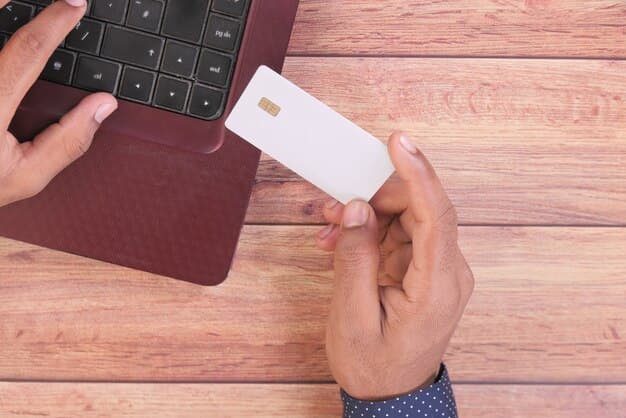
A credit card can open a straightforward push-button lock, but only certain types
A credit card works on locks where the bolt slides into the frame rather than turning — specifically, the spring bolt locks found on many interior doors, older apartment buildings, and some exterior doors without deadbolts. The card slips between the door and frame to push the bolt back into the lock body. This does not work on deadbolts, chain locks, or modern security locks, and it will not work if the door is locked from the inside with a key.
The method takes about 30 seconds once you understand the angle. You do not need to damage the card, though a stiff card works better than a flexible one. A gift card, hotel key card, or old credit card you no longer use is ideal — you want something you will not mind bending slightly.
This is a practical skill for a locked-out situation with your own door or a door you have permission to open. It is not a substitute for calling a locksmith if the lock is damaged, if you are locked out of a rental property, or if you do not own the door.
Key Takeaways
- A credit card only works on spring bolt locks, not deadbolts or keyed locks engaged from inside.
- The card slides between the door and frame at an angle to push the bolt back into the lock body.
- You need a stiff card — a gift card or old credit card works better than a current one you use regularly.
- The technique takes practice and works best on doors where the bolt is not recessed deep into the frame.
- If the door is damaged, you are locked out of a rental, or the lock is modern, call a locksmith instead.
What type of lock you are dealing with
Before you try the card method, identify what kind of lock is on the door. A spring bolt lock has a slanted bolt that retracts when you turn the handle from inside, but springs back into place when the door closes. These are common on interior doors, bedroom doors, and bathroom doors. They are also found on some older exterior doors and apartment building hallway doors. The bolt sits in a beveled slot in the strike plate (the metal piece on the frame), which is why a card can push it back.
A deadbolt is a separate lock, usually above or below the handle lock. It has a square bolt that does not retract on its own — you must turn a key or knob to unlock it. A card cannot move a deadbolt because the bolt does not have the beveled edge that allows it to be pushed back. If the door has a deadbolt and it is locked, the card method will not work.
If the door is locked from the inside with a key (rather than just the handle), the bolt is held in place mechanically and a card cannot move it. Check whether the lock has a keyhole on the side you are on. If it does and the key is not in it, the door is likely keyed from inside and the card will not help.
The step-by-step process
Step 1: Position the card at the right angle. Hold the card at roughly a 45-degree angle to the door frame, with the edge facing the bolt. The bolt is usually on the side of the frame closest to the handle. Slide the card into the gap between the door and the frame, starting above the bolt and working downward. You are aiming to get the card behind the bolt itself.
Step 2: Feel for the bolt. As you slide the card down, you will feel resistance when the card reaches the bolt. This is the moment you are looking for. The card should be touching the angled face of the bolt. Do not force it — if you meet hard resistance before you feel the bolt, you may be hitting the strike plate or the bolt may be recessed too far.
Step 3: Push the bolt back. Once the card is behind the bolt, angle it slightly toward the door (so the card is pushing the bolt away from the frame) and explore steady, firm pressure. The bolt should slide back into the lock body. You may hear a small click. At the same time, turn the handle or push the door gently — the bolt should give way and the door will open.
Step 4: Remove the card. Once the door is open, slide the card back out. If it is stuck, do not yank it — wiggle it gently while pulling. A card that bends slightly is normal; a card that tears means you were using too much force or the angle was wrong.
Which cards work best
A stiff card works much better than a flexible one. A current credit card you use regularly is too flexible and may bend permanently. Instead, use an old credit card you no longer need, a gift card with a balance you have spent, a hotel key card, a library card, or a plastic ID card. Laminated cards are ideal because they are rigid and will not bend easily.
The card should be roughly the size of a standard credit card (3.4 inches by 2.1 inches). Smaller cards are harder to grip and control. Thicker cards are stiffer and work better than thin ones. If you do not have a card, a thin piece of plastic — a shim from a hardware store, a plastic ruler, or even a sturdy plastic bag folded tightly — can work in a pinch, though a card is easier to handle.
Avoid using anything metal, as it can scratch the door frame or lock. Avoid anything so thin it will fold when ready under pressure. Test the card's stiffness by holding it horizontally and seeing how much it bends under its own weight — it should barely flex.
When this method will not work
If the door has a deadbolt, the card method will not open it. You will need a key, a locksmith, or the person who locked it. If the bolt is recessed deep into the frame (more than half an inch), the card may not be able to reach it. If the door is locked from the inside with a key, the card cannot move the bolt. If the door frame is metal or the strike plate is reinforced, the card will not have enough leverage.
Modern security locks, smart locks, and electronic locks cannot be opened with a card. If the lock appears damaged or the bolt is stuck, do not force it — you risk breaking the lock further or damaging the door. If you are locked out of a rental property, contact your landlord or property manager rather than attempting to force entry yourself, as this may violate your lease or local law.
If you have tried the card method and it does not work after a few attempts, stop. Repeated attempts can damage the lock or door frame. Call a locksmith instead — they have the right tools and can open the door without damage.
What to do if you are locked out of your own door
If you are locked out of your own home and the card method does not work, your options depend on what kind of lock you have and whether you have a spare key elsewhere. Check whether a family member, trusted friend, or roommate has a key. If you have a spare key hidden outside (under a mat, in a planter, or with a neighbor), retrieve it now.
If you do not have access to a spare key and the card method fails, call a locksmith. Locksmiths can open most residential locks in 15 to 30 minutes. The cost varies by location and time of day — expect to pay more for evening or weekend calls — but a standard lockout call typically runs between $75 and $150. Some locksmiths offer discounts if you can show proof that you live at the address (a utility bill, lease, or ID with that address).
If you are locked out of a rental property, contact your landlord or property manager first. They may have a key or be able to send someone to let you in. Many leases require landlords to provide access in lockout situations, and they may not charge you if the lock is not damaged. Only call a locksmith if your landlord is unavailable and you need access urgently.
How to prevent being locked out
The simplest prevention is to keep a spare key in a safe place outside your home — with a trusted friend or family member, in a locked box hidden on your property, or in a find key storage device. Do not hide a key under a doormat, in a planter by the door, or above the door frame; these are the first places someone will look.
If you live alone or have no one nearby to hold a spare, consider a keypad lock or smart lock on your exterior door. These allow you to unlock the door with a code or your phone, and you never have to carry a physical key. They cost between $100 and $300 for a basic model and can be installed by a locksmith or, on some doors, by yourself.
For interior doors, a straightforward push-button lock (the kind a credit card can open) is fine because you are not trying to keep intruders out — you just want privacy. If you are concerned about being locked in, make sure you know how to unlock the door from the inside, or leave the door unlocked when you are home alone.
Frequently Asked Questions
Will using a credit card damage the lock?
No, if you use the correct technique. The card is straightforward pushing the bolt back the way the handle does from inside. The lock itself is not harmed. The card may bend slightly, which is why using an old card is better than a current one. If the lock is already damaged or stuck, do not force the card — you risk making the damage worse.
Can I use this method on a deadbolt?
No. A deadbolt has a square bolt that does not have the beveled edge a spring bolt has. A card cannot push a square bolt back. If your door has both a handle lock and a deadbolt, and only the deadbolt is locked, you will need a key or a locksmith.
What if the card gets stuck between the door and frame?
Wiggle the card gently while pulling it out. Do not yank it hard, as this can tear the card or scratch the frame. If it is truly stuck, you may need to open the door slightly to create more space, or use a different card with a slightly different angle. If the card tears, you were likely using too much force or the angle was wrong.
Is it illegal to open a door with a credit card?
It is legal to open your own door or a door you have permission to open. It is illegal to open someone else's door without consent, even if you can do it with a card. If you are locked out of a rental property, contact your landlord rather than forcing entry yourself.
How long does this take?
Once you know the technique, it usually takes 20 to 60 seconds. The first time you try it, it may take longer as you learn to feel for the bolt and find the right angle. If it takes more than a few minutes, the lock type or bolt position may not be suitable for this method.